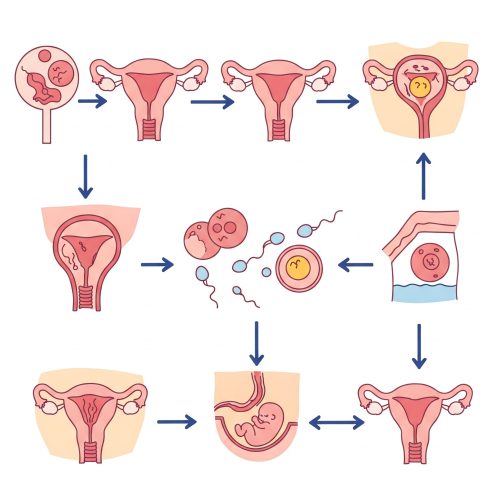
1) First Step: Initial Inspection and Double Assessment
The couple’s previous treatments and stories of pregnancy, birth, miscarriage, etc. are listened to. If there are any previous tests and examination results, they are evaluated.
– Any surgical reports or notes
– Sperm analysis
– Blood tests for men and women
– Reports of previously applied treatments
– Uterus film
– Chromosome analysis
– Reports of other diseases
Based on all this data, IVF treatment is planned and the day of the treatment is determined.
2) Second Stage: Stimulating the Ovaries and Creating Eggs
Egg-developing drugs (injection treatment) are applied to select good embryos from the ovaries and place them in the uterus to create a large number of eggs. The drug dose and treatment process vary according to the patient’s age and egg reserve. It takes an average of 8-12 days.
3) Third Stage: Egg Collection / Sperm Collection
The developing eggs are collected under anesthesia and stored for fertilization in laboratory conditions. During this time, the man also provides sperm. Just like in sperm analysis, sperm is collected by masturbation. From men who cannot provide sperm, sperm is collected by micro TESE method. This process takes half an hour on average. On the day of egg collection, the man must abstain from sexual intercourse for 2-4 days for the sperm sample to be given. This period should not exceed 7 days.
4) Fourth Stage: In Vitro Fertilization (IVF) or Microinjection (ICSI) Application
*Classic IVF (In Vitro Fertilization): In the early years of IVF, when microinjection was not yet used, it was a technique that was used more frequently. In recent years, it has become an IVF technique that is not preferred because fertilization rates are lower than ICSI.
*Microinjection (ICSI): Injecting sperm directly into the egg under a microscope. The microinjection (ICSI) method is widely used today in in vitro fertilization treatment. The purpose of microinjection is to increase fertilization rates to high levels by bringing the egg and sperm together one by one. Microinjection is widely used especially in severe male infertility.
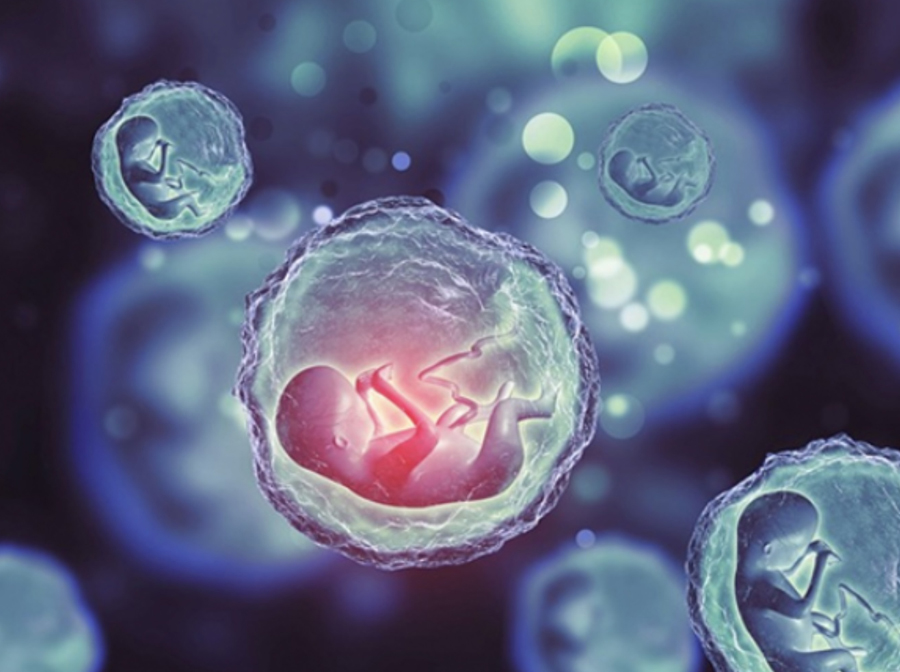
After the sperm taken from the man is combined with the egg taken from the woman under a microscope, its development is monitored until the 7th day in devices called incubators, which resemble the body environment.
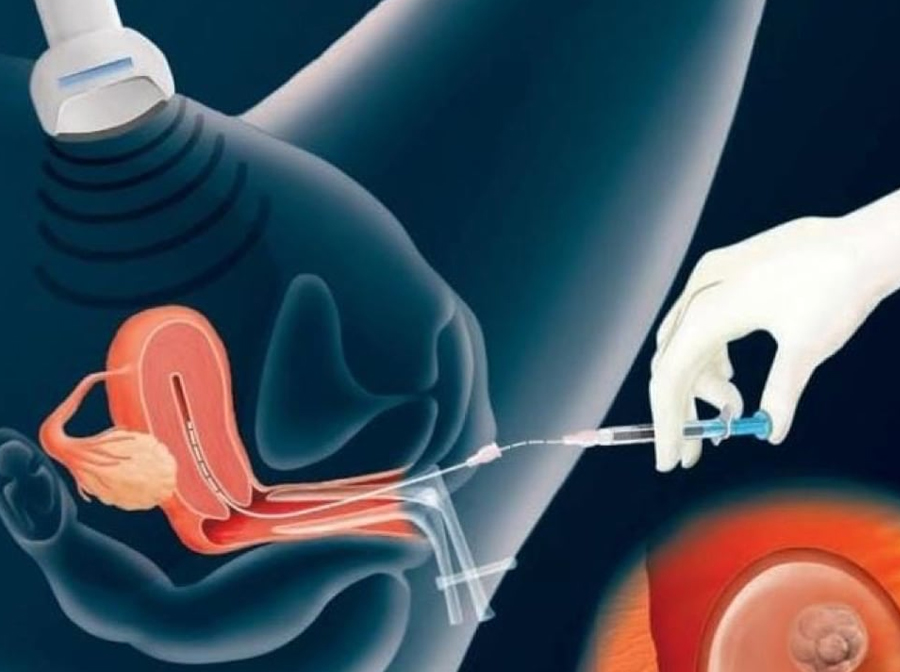
5) Fifth Stage: Embryo Transfer
The fertilized eggs, which are stored in the laboratory for two to six days, are placed into the uterus with a special catheter without causing any pain. This procedure takes about 5-10 minutes. Sexual intercourse is not recommended until the pregnancy test. You can use the group as a painkiller. You can take a warm shower 1 day after the transfer. A few side effects can be seen after embryo transfer. These side effects are as follows; – A small amount of clear or bloody fluid coming out shortly after the procedure – Breast tenderness due to high estrogen levels – A feeling of mild bloating – Mild cramping – Constipation – Back and groin pain similar to menstrual pain Things to Consider After Embryo Transfer: Expectant mothers should not have sexual intercourse, smoke, use any medication without consulting a doctor, and do not engage in activities such as sports or lifting heavy loads until the pregnancy test.
6) Stage Six: Pregnancy Test
After the transfer process, a pregnancy test is performed on the 12th day for Day 3 embryos and on the 10th day for Day 5 embryos to determine whether pregnancy has occurred. This test is a blood test called BHCG that does not require fasting or satiety.
The test should be repeated 48 hours after the pregnancy is detected to confirm the increase. Here, the increase is expected to be at least 53 percent at 48-hour intervals; preferably close to 2 times. The physician may recommend repeating the test if necessary to ensure that the pregnancy is established in the uterus or that the pregnancy is progressing healthily. The patient is called for an ultrasound check-up 1 week – 10 days later. Patients living out of town or abroad have their check-ups done where they are and provide information. Although it is a normal pregnancy after conception, it is used especially according to the physician’s recommendation. It is important not to stop taking medications before the recommended period.
Bed rest is not recommended after embryo transfer. There are publications showing that pregnancies are lower in the patient group who have absolute bed rest after embryo transfer, compared to patients who continue their standard life due to possible increased anxiety and stress.